
Last updated November 2, 2026
 Wrought iron
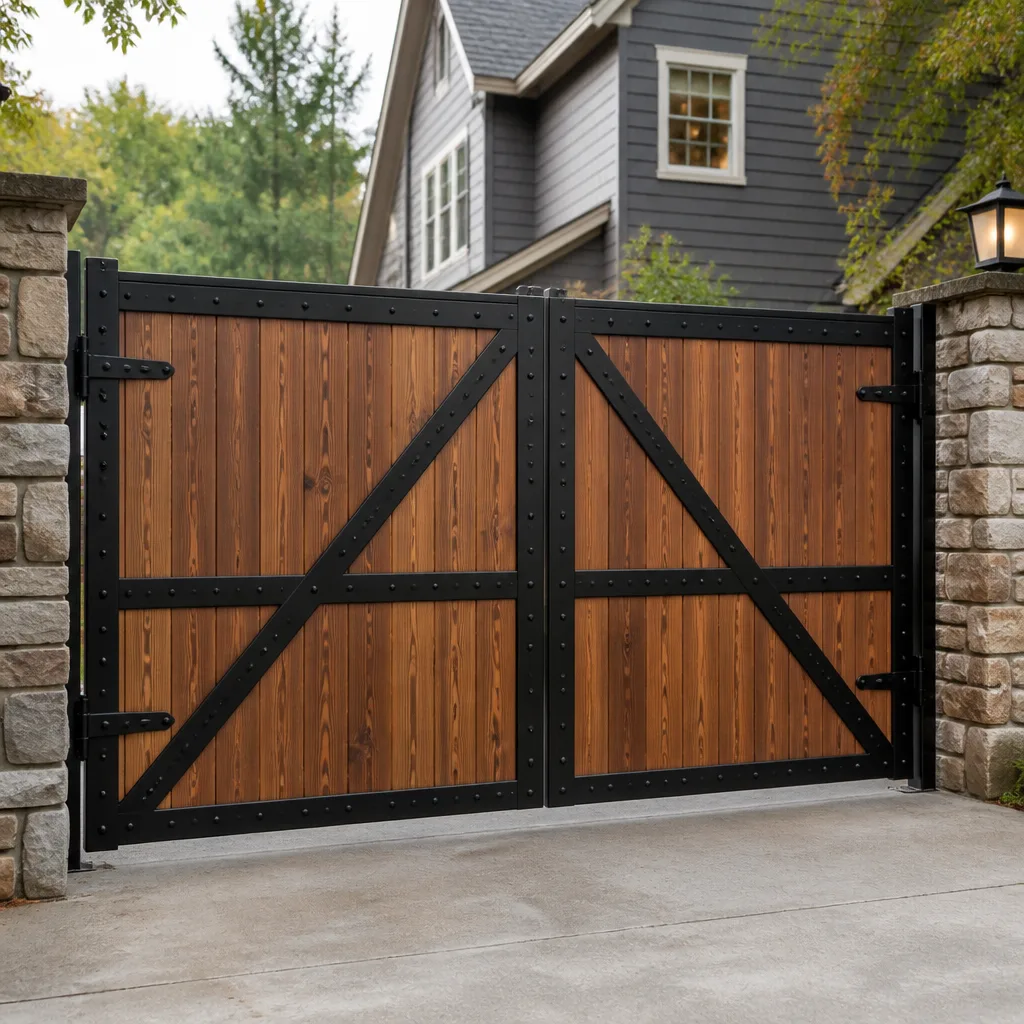 Wood & steel frame
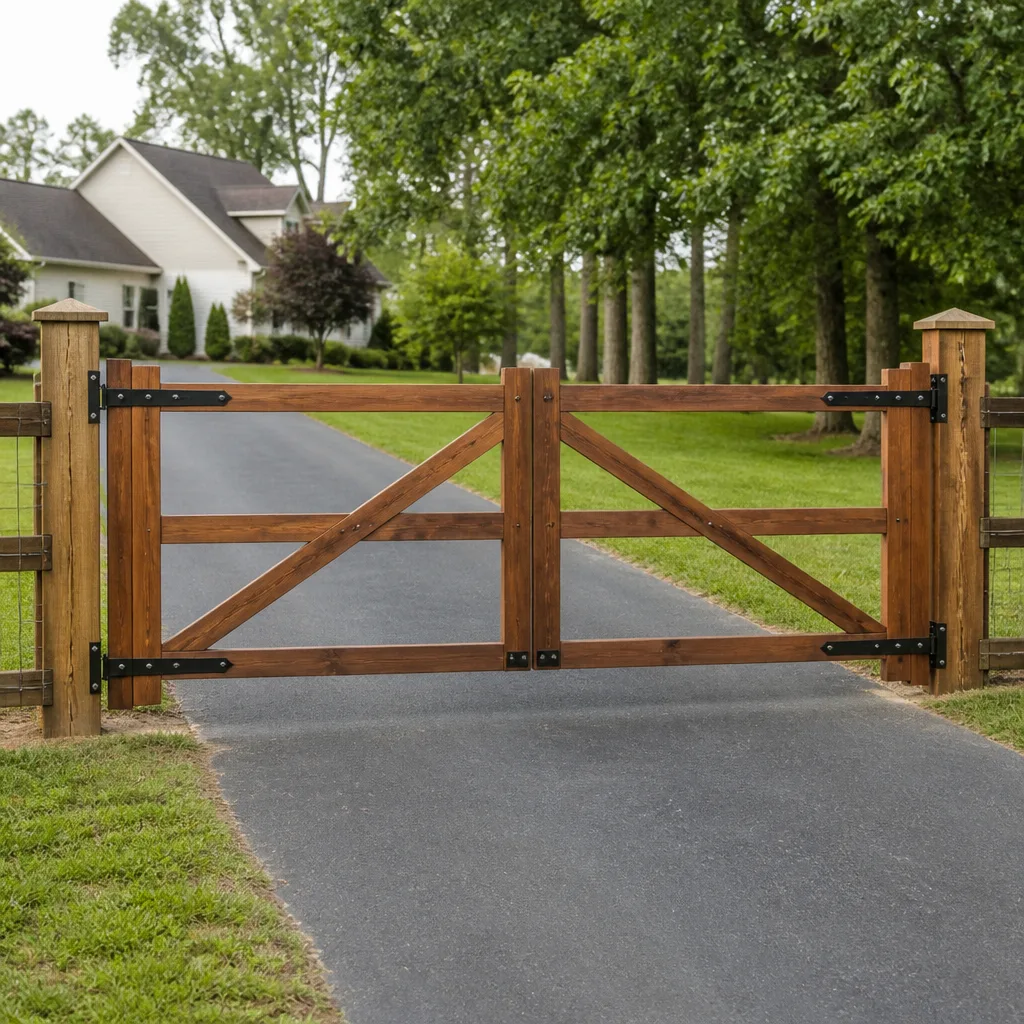 Farm & ranch
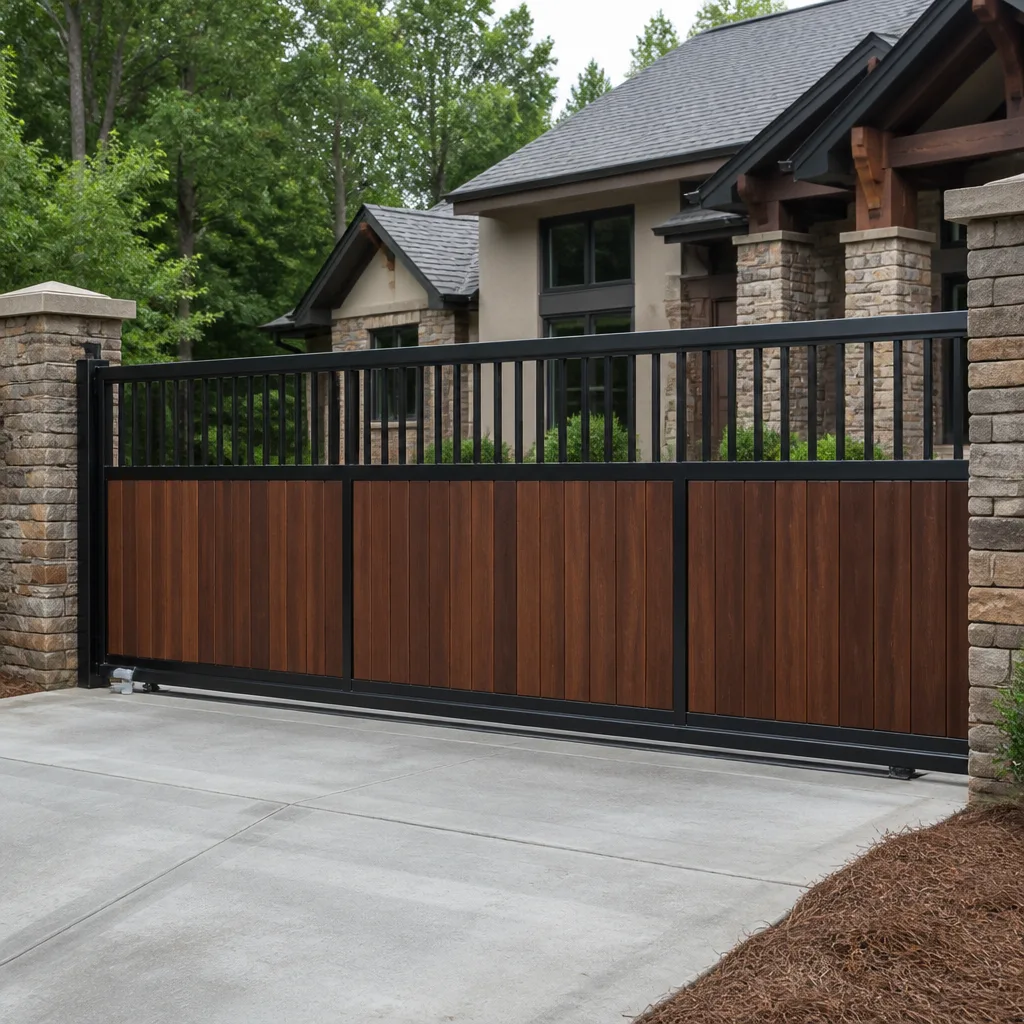 Sliding driveway gates
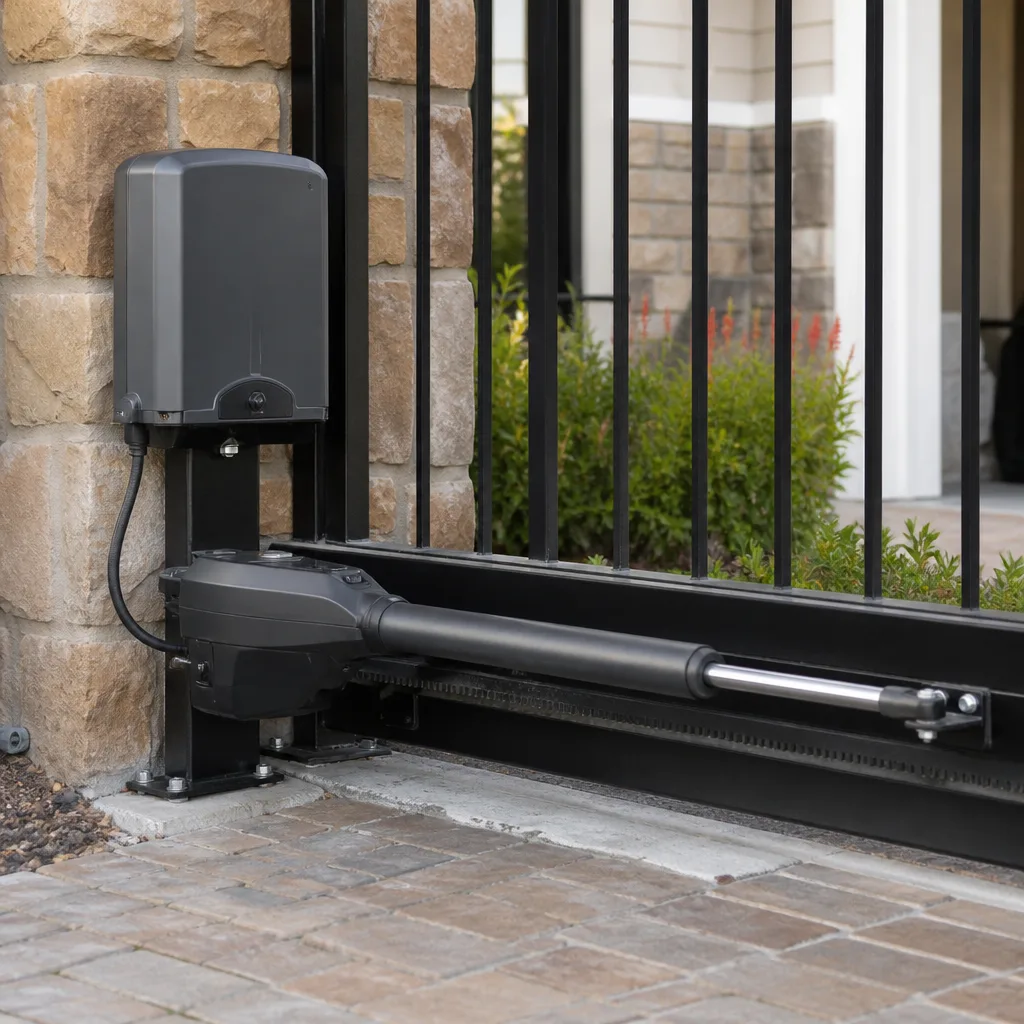 LiftMaster operators
Free on-site gate assessment - hinges, posts, and your LiftMaster or Nice gate operator checked before anything is quoted
The assessment is free and the quote is the invoice.
Get your free estimateSeasonal Gate Repair Care for Whittier: Year-Round Homeowner’s Guide
Here’s a counterintuitive fact we’ve learned from years of gate repair across Whittier: the month most homeowners discover their gate opener is failing isn’t January. It’s September. August heat stress on circuit boards compounds with fall Santa Ana wind strain on hinges in a way that reads as a mystery failure. One day the gate works, the next it doesn’t, and nobody connects it to weather. This guide maps the actual Whittier weather calendar to a specific maintenance response, so you can catch what’s about to break before it strands you. For a deeper dive, see The Complete Gate Repair Guide for Whittier Homeowners. Whittier doesn’t have dramatic seasons, but it has micro-climate stressors that each attack different gate components in predictable, preventable ways.
Styles & brands we work with
- Wrought iron
- Wood & steel frame
- Farm & ranch
- Sliding driveway gates
- LiftMaster operators
Quick Answer
Seasonal gate care in Whittier means tracking three local weather patterns: Santa Ana wind events (October through February), marine layer humidity cycles (May through July), and summer heat spikes (July through September). Each pattern stresses different components: hinges and track hardware during wind season, control boards and sensors during humidity months, and circuit boards and hydraulic fluid during heat waves. A 20-minute seasonal inspection four times a year prevents most common failures.
Table of Contents
- Whittier’s Gate-Stressing Climate: What Actually Happens Here
- January – February: Wind and Rain Protocol
- March – April: Post-Storm Assessment and Hinge Service
- May – June: Marine Layer Moisture and Circuit Protection
- July – August: Heat Stress on Operators and Boards
- September – October: The Failure Cluster Months
- November – December: Pre-Wind Reset and Year-End Audit
- Common Mistakes to Avoid
- When to Call a Professional
- Frequently Asked Questions
- The Bottom Line
Whittier’s Gate-Stressing Climate: What Actually Happens Here
Whittier sits in a topographic pocket where the San Gabriel Valley meets the Puente Hills, and that position creates a specific weather pattern that interior SoCal cities don’t share. Unlike Pasadena or Glendale, which get direct mountain wind funneling, Whittier receives a moderated but persistent version of the Santa Ana pattern. Unlike Long Beach, which gets heavy marine influence, Whittier gets intermittent marine layer push that arrives as morning overcast and burns off by noon. The result is a humidity-and-heat cycling that’s harder on gate electronics than either extreme would be alone.
Here’s the specific mechanic: marine layer moisture condenses on cool metal surfaces overnight in spring and early summer. Then the midday heat spike bakes that moisture onto circuit boards, connectors, and sensor housings. Repeated daily cycles deposit mineral residue from Whittier’s hard water and coastal air. Over 90 days, that residue corrodes solder joints and creates the intermittent faults we diagnose most often in June and July. Learn more about our approach to electric gate repair in Whittier if you’re already seeing symptoms.
Wind is the other half of the equation. Santa Ana events push sustained 20 – 40 mph gusts through Whittier’s east-west canyons. On swing gates, those gusts translate into repeated slamming force against the open or closed stop. On slide gates, dust and leaf debris load the rail and the wheels. Both effects are cumulative. A hinge that’s 10% loose in October becomes a snapped weld or bent post by February. We’ll cover exactly what to check for each season below.
January – February: Wind and Rain Protocol
January and February are Whittier’s peak wind months, and they’re also when rare heavy rain events land. Both attack the gate from different angles. Rain saturates the soil around gate posts, softening the footing and allowing micro-movement. Wind then applies lateral force, and the post starts to lean. Once a post leans even 3 degrees, the gate hangs off-square, the latch misses, and the opener motor works progressively harder until it fails.
- Check post plumb with a 4-foot level. Hold it against the gate post vertically. Any gap at top or bottom wider than a quarter inch means movement has started.
- Inspect the latch and receiver alignment. A latch that scrapes or requires lifting to engage is the first sign of post shift.
- Clear the track on slide gates. Remove leaves, twigs, and mud. Debris in the rail creates wheel bind that burns out motors.
- Test the manual release. If you can’t operate the gate manually with reasonable effort, the opener is compensating for a mechanical problem, and that’s the failure that’s coming.
After high-wind events, do this in order: hinges first, then latch, then opener force settings, then sensor alignment. Most people reverse it and waste time on electronics when the mechanical component moved. If you find post movement, don’t try to shim it with rocks or wedges. That’s a temporary fix that accelerates the problem. A post reset requires digging, re-setting in concrete, and re-leveling, and it’s one of the more common repairs we handle in Whittier after January wind storms. If you’re facing this issue, learn about our Gate Repair services.
March – April: Post-Storm Assessment and Hinge Service
By March, the winter wind has done whatever damage it’s going to do, and the marine layer hasn’t fully arrived yet. This is the ideal window for mechanical service on swing gates, because you’re addressing wear before humidity adds corrosion to the equation. In Whittier, March is also when we start seeing the first uptick in service calls from homeowners whose gates survived January wind but are now screaming or binding.
Hinge maintenance matters more in Whittier than in drier inland cities because of the humidity cycling. A hinge that runs dry through 60 days of morning condensation and afternoon heat bakes develops surface rust on the bearing surface. Once that rust starts, the hinge grinds, and grinding creates play. Play amplifies wind load, and by October the hinge is egged out.
Here’s the 20-minute pre-spring service checklist we recommend to every Whittier homeowner we visit:
- Lubricate all hinge pivots with a lithium-based grease, not WD-40. WD-40 is a solvent, not a lubricant, and it strips existing grease.
- Torque all hinge mounting bolts to manufacturer spec. If you don’t know the spec, snug plus one-eighth turn is a safe field approximation for most residential gates.
- Inspect weld points where hinge plates meet the gate frame. Look for hairline cracks, especially on the lower hinge, which carries the most load.
- Check the gate frame for sag. A 10-foot gate that has dropped more than half an inch at the latch end is in the early stages of structural fatigue.
- Verify that the gate travels smoothly through its full arc with the opener disengaged. Any resistance at any point means mechanical drag that will eventually overload the motor.
If you have a Mighty Mule or Ghost Controls system, March is also a good time to check the opener’s force adjustment. These residential operators have force dials that get bumped or adjusted over time, and a too-high force setting masks mechanical problems while accelerating motor wear. Your gate shouldn’t sound like it’s shoving. If it does, something is binding. That’s one of the most common Mighty Mule and Ghost Controls issues we correct in Whittier homes, and it’s almost always mechanical, not electronic. For help selecting quality equipment, read Choosing the Right Gate Repair Brand: A Buyer’s Guide for Whittier.
May – June: Marine Layer Moisture and Circuit Protection
Whittier’s May Gray and June Gloom pattern is the most underappreciated gate killer in the city. Morning overcast deposits a fine film of moisture on every exposed metal surface. By afternoon, the marine layer burns off and temperatures rise 20 degrees, and that moisture flash-dries. Repeat that 40 times and you have the perfect environment for connector corrosion inside control boxes that aren’t properly sealed.
Here’s what we see in our Whittier service calls that start in May and June: phantom triggering where the gate starts and stops mid-travel, keypad buttons that trigger the gate twice, sensors that intermittently fault, and control boards that fail with no overheating event. All four trace back to the same root cause: condensation inside the control housing. The circuit board’s conformal coating breaks down after years of humidity cycling, and the traces underneath corrode.
The fix is largely preventive, but it’s not complicated. Two things matter most:
- Check that the control box gasket is intact and the box closes fully. Many Whittier homeowners find the latch or screw has stripped, leaving the box slightly open. That gap is how moisture gets in.
- Inspect all wire connectors for green or white crust. Green is copper oxide from moisture exposure. White is zinc corrosion from galvanic action. Either one means the connection is compromised.
If you’re seeing intermittent faults on a BFT or Viking operator, don’t assume the board is dead. In many cases we find the board is fine and the problem is at the terminal strip where field wiring connects to the board. That’s a $15 fix instead of a $400 board replacement. We fix a lot of those in Whittier, and the homeowners are usually surprised at how small the actual fault was. For gate installation or a full Gate Installation in Whittier, sealing and mounting location matter more than most people realize: a control box mounted on a north-facing wall stays damp for months.
July – August: Heat Stress on Operators and Boards
Whittier’s late-summer heat is the single biggest stressor on electromechanical and hydraulic gate operators. The mechanism differs by type. Electromechanical operators, including most LiftMaster, Viking, and BFT residential swing gate motors, rely on a start capacitor and a thermal overload switch in the motor circuit. When the ambient temperature inside the control box exceeds 140°F, the thermal switch can trip and the motor refuses to start. Homeowners report this as “the gate works in the morning but not in the afternoon.” That’s thermal protection, not a dead motor, and it’s telling you the box is too hot.
Hydraulic operators, more common on commercial and heavier residential slide gates, have a different failure mode. Heat thins the hydraulic fluid, and that reduces the system’s effective pressure. The gate moves slower and eventually stalls mid-travel. If you have a commercial slide gate in Whittier and it slows down on hot afternoons, check the fluid level and condition first.
The key temperature threshold we use in the field is simple: if the control box is mounted in direct afternoon sun on a south or west-facing wall, and the surface of the box is too hot to hold your hand on for five seconds, the inside is over 130°F, and you’re in the danger zone for electronics. Two practical fixes:
- Shade the box. A simple sheet-metal or shade-cloth awning that leaves air clearance reduces internal temperature by 15 to 25 degrees. Don’t enclose the box in an insulating cover; that traps heat.
- Check the venting. Some boxes have breather holes that get clogged with dust and spider webs in Whittier’s dry summer. Clean them with compressed air.
Heat also affects batteries in solar-powered gate systems. If you have a Ghost Controls or Mighty Mule solar setup, July and August are the months when degraded batteries finally die because heat accelerates the chemical breakdown. A battery that’s 3 years old and survived winter may not survive August. If your solar gate works fine in the morning but fails by mid-afternoon, that’s often battery capacity, not the panel.
September – October: The Failure Cluster Months
We stated it at the top and now we’ll explain it properly: September is when Whittier gate failures spike, and the reason is compounding stress. The circuit board has been through 60 days of heat cycling. The hinges and track hardware are at maximum wear from 12 months of use and winter wind. The marine layer is gone and we’re entering the driest part of the year, so dried-out lubricant is now grinding instead of sliding. Then the first Santa Ana event of the season arrives, usually in late September or early October, and it applies a sharp dynamic load to components that are already marginal. Something gives.
The failure pattern tells you what to address, and you can spot these before they’re failures:
- If the gate hesitates before starting, the motor start capacitor is weakened and the motor is drawing high current on startup. This gets worse as nights get cooler, because the motor has to overcome cold grease on the drive train.
- If the gate reverses mid-travel or stops on its own, the obstruction sensing circuit is likely seeing a false signal from a noisy sensor connection. September’s temperature swings cause the connectors to expand and contract, opening micro-gaps.
- If the gate is louder than it was six months ago, the drive train lubrication is breaking down. Grinding is metal on metal. A two-minute lubrication job in July would have prevented it.
October is also when Whittier’s Santa Ana pattern begins in earnest. After the first high-wind event of the season, do the sequence we described in the January section: hinges first, then latch, then opener force settings, then sensor alignment. We find that homeowners who do a September pre-wind check rarely have a December emergency. Those who wait for the failure are the ones calling for Gate Repair in Whittier on a Sunday night.
November – December: Pre-Wind Reset and Year-End Audit
November is the last good service window before the holiday season, and it’s the month we recommend a full system reset for any of the nine major brands we service, including LiftMaster, FAAC, BFT, Linear, Viking, Ghost Controls, DoorKing, Elite, and Mighty Mule. The goal is to address every known mechanical or electrical issue before the wind and rain cycle starts again.
The year-end audit is a 30-minute walk-around that covers every component class:
- Ground the check: posts, footing, and base plates. Look for cracks in concrete pads, rust at the base of posts, and any movement when you push laterally on the gate. Movement you can feel is movement that will worsen under Santa Ana loads.
- Check the full travel path. Open and close the gate fully with the opener disengaged. It should move freely with no bind points. If it doesn’t, find the bind before you add motor force to overcome it.
- Inspect the limit switches or travel settings. A gate that over-travels by even half an inch puts leverage stress on the hinge or the track stop that multiplies under wind load.
- Test the safety sensors. Block the beam with your hand and verify the gate reverses or stops. If it doesn’t, that’s a code violation and a real hazard, especially with kids and pets around during the holidays.
- Look at the power supply and backup battery. If you have battery backup, test it by killing the breaker briefly. A gate that dies during a power outage and locks your car in is a preventable problem.
We work on Viking and Linear operators frequently in Whittier, and the December calls follow a pattern: the gate worked fine in October, the first serious wind of the season hit, and now the gate closes halfway and stops. By the time we arrive, the hinge has been loose since March and the wind finally finished moving it. The calendar has been sending signals for nine months. The audit is about listening to them.
Common Mistakes to Avoid
- Lubricating with the wrong product. WD-40 is the most common mistake we see on Whittier gates. It strips grease and leaves surfaces vulnerable to the next humidity cycle. Use lithium grease on hinges and a dry silicone spray on slide gate tracks.
- Ignoring a noisy gate for more than two weeks. A new grinding or squealing sound is the earliest and clearest warning of a mechanical problem. Every month it’s ignored, the repair cost rises. We’ve seen $40 hinge replacements become $900 post repairs because the sound was ignored through one Whittier wind season.
- Adjusting the opener force instead of fixing the mechanical issue. When the gate gets heavy or binds, homeowners crank up the force setting. The gate moves again, but the motor is now pushing against resistance at a higher current draw. The mechanical issue is still there, and now the motor is closer to failure too.
- Sealing the control box with tape or plastic. Some Whittier homeowners wrap their control box in plastic to keep moisture out. That traps condensation inside and accelerates corrosion. The box needs to drain and vent, not be made airtight.
- Assuming a dead board before checking connections. We replace boards that other homeowners have already given up on, and a meaningful percentage were not dead boards. They were corroded terminal screws. Ten minutes with a wire brush and some dielectric grease fixes a problem that was quoted as a board replacement.
- Waiting to trim bushes and vines until they interfere with the gate. Fast-growing vegetation in Whittier’s irrigated yards reaches into the gate’s travel path and sensor beam within one growing season. Vegetation in the beam causes false obstruction faults, and the homeowner assumes the sensors are broken.
- Forgetting the gate during the off-season. Unlike Denver or Chicago, Whittier’s climate doesn’t force a seasonal shutdown. So it’s easy to ignore the gate for 12 months. But the constant low-level stress of humidity cycling and heat means a gate that gets no attention here fails more predictably than one in a more extreme climate that gets seasonal service.
When to Call a Professional
Some gate maintenance is a homeowner job, but certain conditions mean you need trained eyes and hands. Call a professional if you find a gate post that has moved, a hinge with visible cracking or weld separation, or a control board showing signs of corrosion inside the box. Call if your gate reverses unexpectedly, because safety sensor failures are not something to troubleshoot by trial. Call if you have a hydraulic operator that’s slowing down, because low fluid or a failing pump can’t be fixed with a wrench and a can of spray lubricant.
We specialize exclusively in gates, and that means our Whittier service calls go one level deeper than a general contractor’s would. When we arrive at a home with a LiftMaster swing gate that’s binding, we check the hinge geometry before the motor, because that’s the order the failure actually happens in. If you’re not sure whether your issue is mechanical or electronic, that’s exactly the diagnosis we do every day. Capitol Gate Repair offers free estimates in Whittier, call (866) 321-3968. You can also explore more guides & resources on our blog.
Frequently Asked Questions
Twice a year is enough for most homes: once in March or April, after wind season, and once in September or October, before the Santa Ana pattern starts. Gates with heavy use, commercial gates, or gates with hydraulic operators may need quarterly service. The cost of preventive service is a fraction of the emergency repair it prevents.
Yes, and Whittier’s particular pattern of morning overcast followed by hot afternoon sun is the perfect recipe. Condensation forms overnight, then flash-dries, leaving mineral residue on connectors and boards. Over months, that residue builds up and creates exactly the intermittent faults that drive homeowners crazy in June and July.
Check the gate post for movement or leaning, the hinge bolts for looseness, the latch for alignment, and the sensors for shifted alignment. On slide gates, inspect the track for wind-blown debris. Do it in that order: the mechanical components move before the electrical symptoms show up.
In Whittier’s summer, this pattern usually means the thermal overload protection in the motor is tripping when the control box gets too hot in the afternoon sun, or a solar battery is failing under the day’s heat and can’t hold enough charge. Both conditions are fixable, but they’re warnings: over time, repeated thermal trips shorten motor life.
A basic seasonal inspection and lubrication service in Whittier typically runs between $65 and $150 depending on the gate type and condition. If the service identifies parts that need replacement, those are quoted separately and agreed before any work starts. We don’t start a job until you’ve approved the price. Call (866) 321-3968 for an exact quote, estimates are free.
We service gates from nine major brands, including LiftMaster, FAAC, BFT, Linear, Viking, Ghost Controls, DoorKing, Elite, and Mighty Mule. That coverage means we rarely encounter a system we can’t diagnose and repair on the first visit. If you own a BFT or Viking operator in Whittier, your system is one we see weekly, not monthly.
The Bottom Line
Whittier’s gate problems are predictable because the climate is predictable. Santa Ana wind stresses mechanical components, marine layer humidity attacks connections, and summer heat overloads electronics. A homeowner who tracks those three stressors and does four small maintenance sessions per year will avoid almost every expensive emergency. The calendar in this guide is tailored to Whittier specifically, because gate care in Long Beach or Pasadena isn’t the same job. If the gate is already misbehaving, don’t wait for the next weather event to see what breaks. Capitol Gate Repair is Whittier’s dedicated gate specialist, and we’re glad to take a look. Call (866) 321-3968 for a free estimate.
Written by the team at Capitol Gate Repair, serving Whittier since 2013.
See the difference
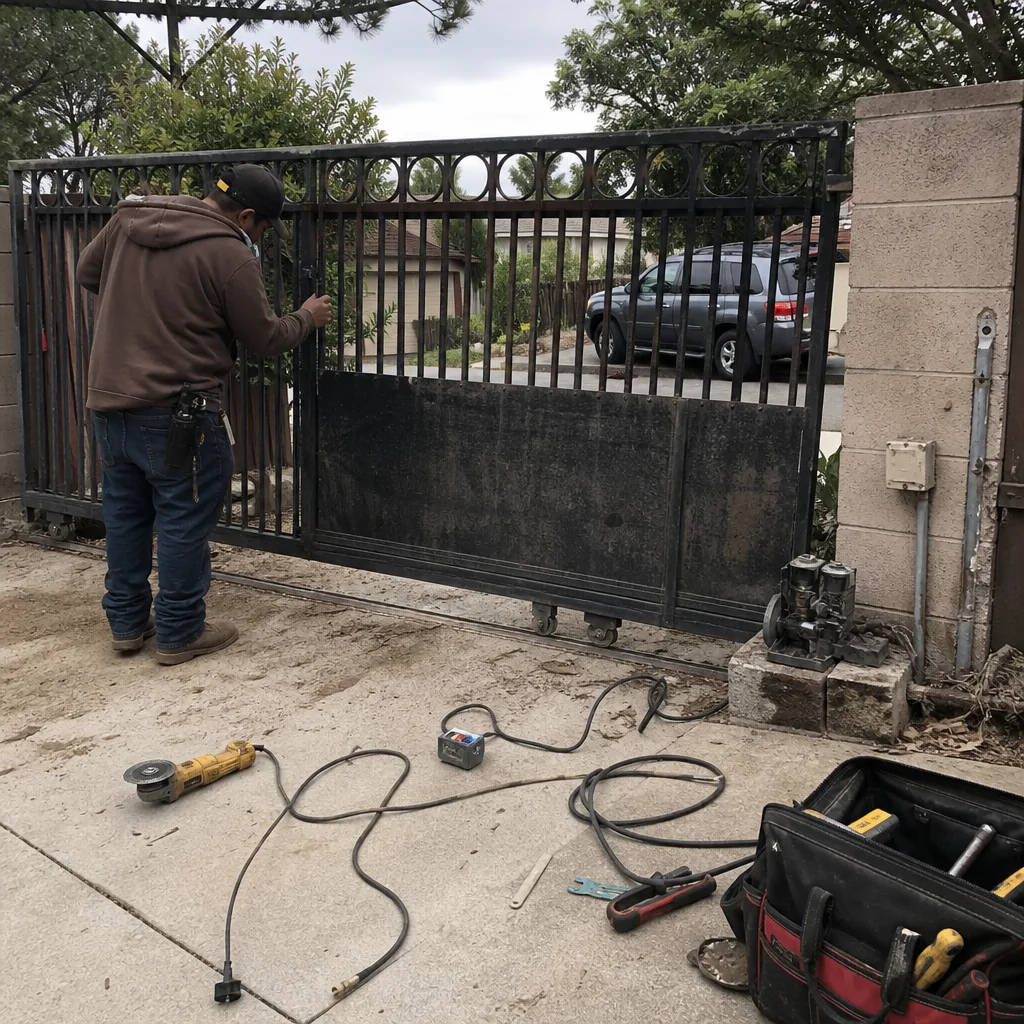 Before
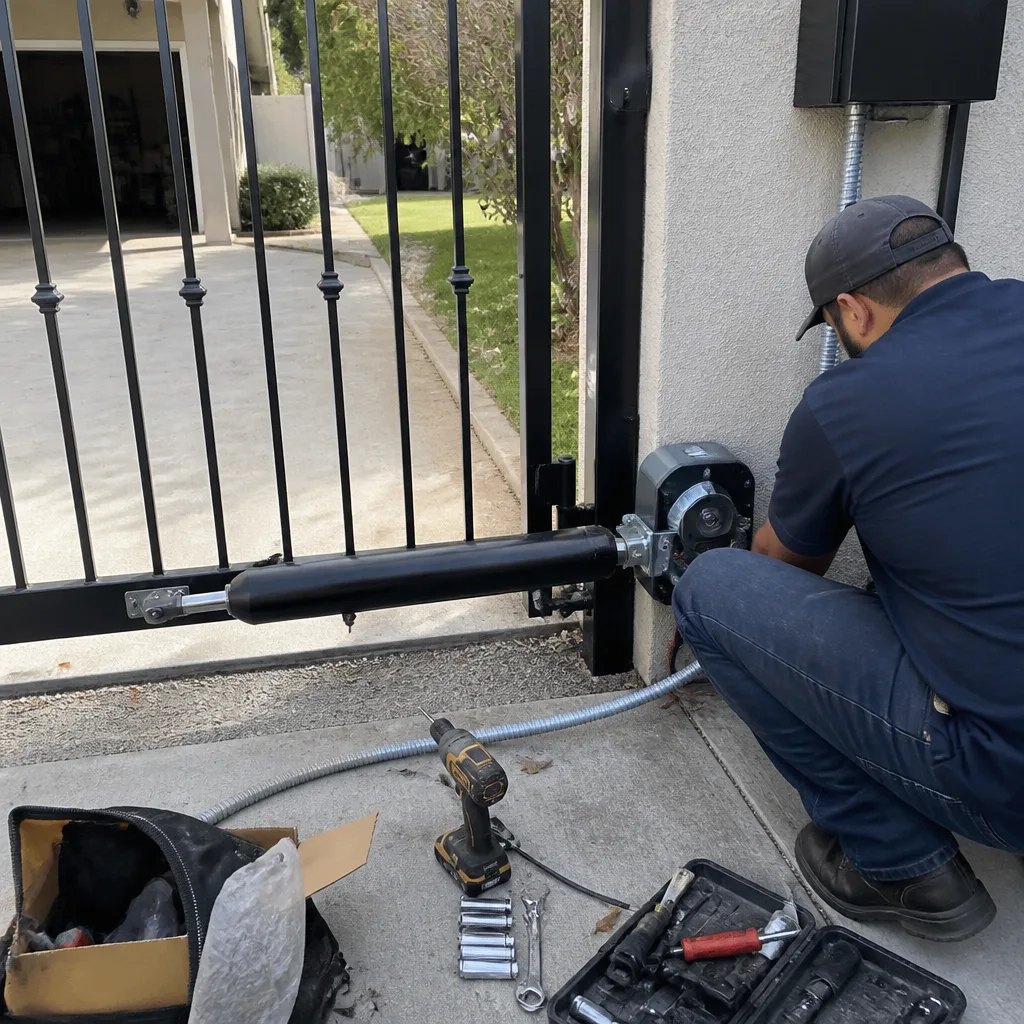 After
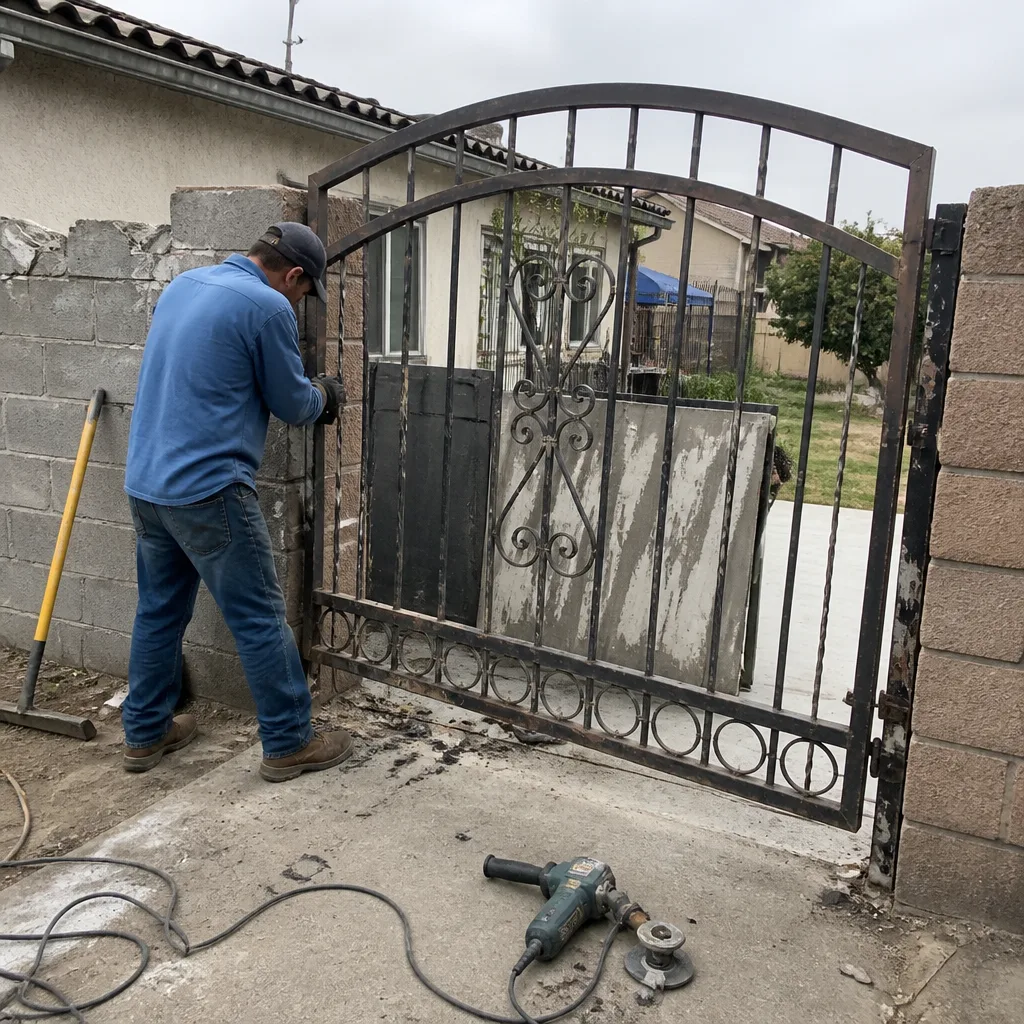 Before
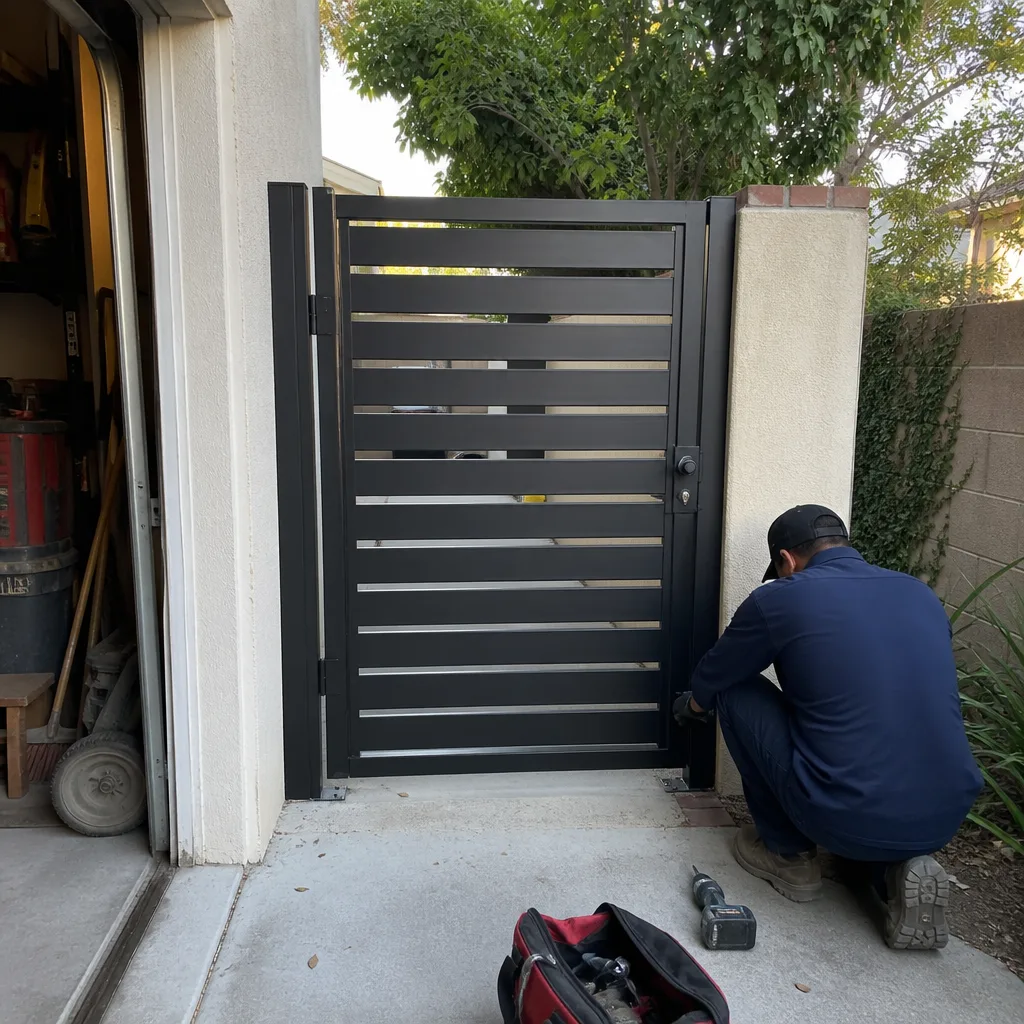 After
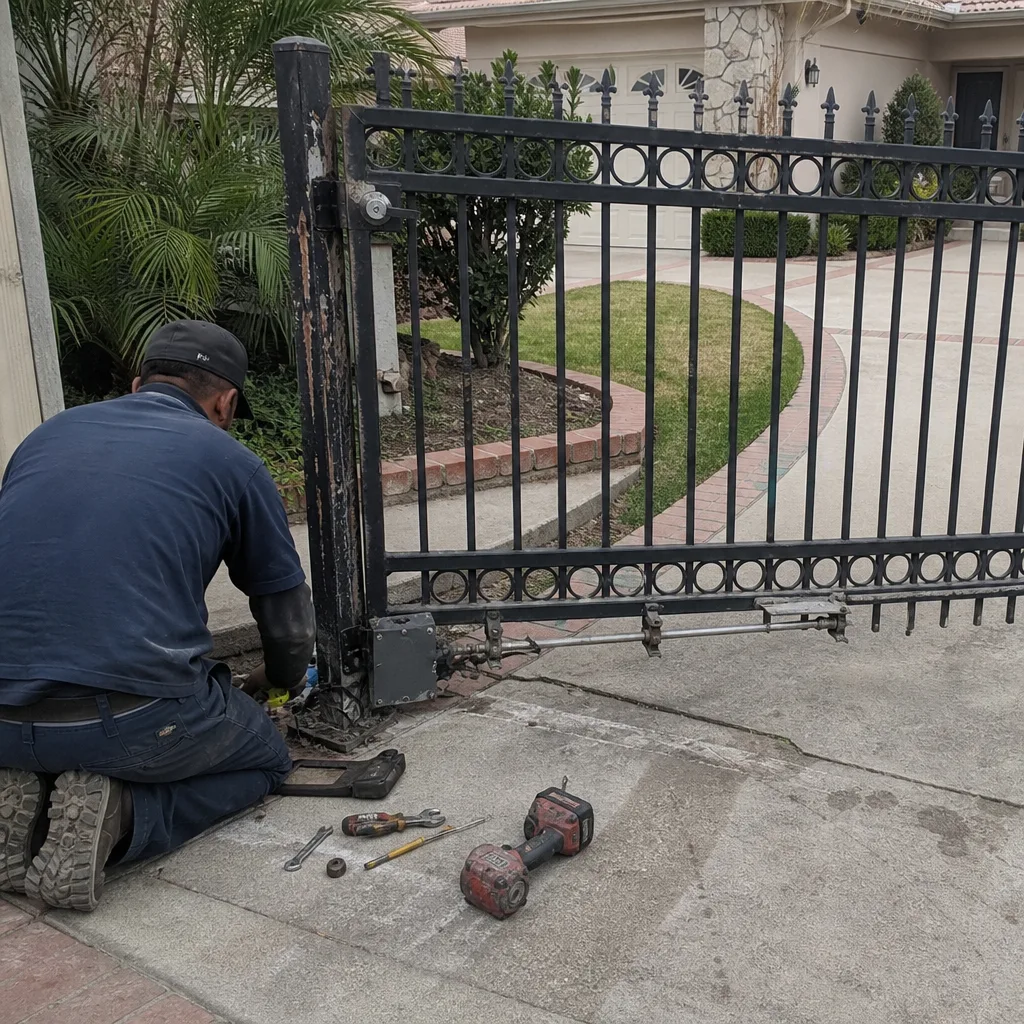 Before
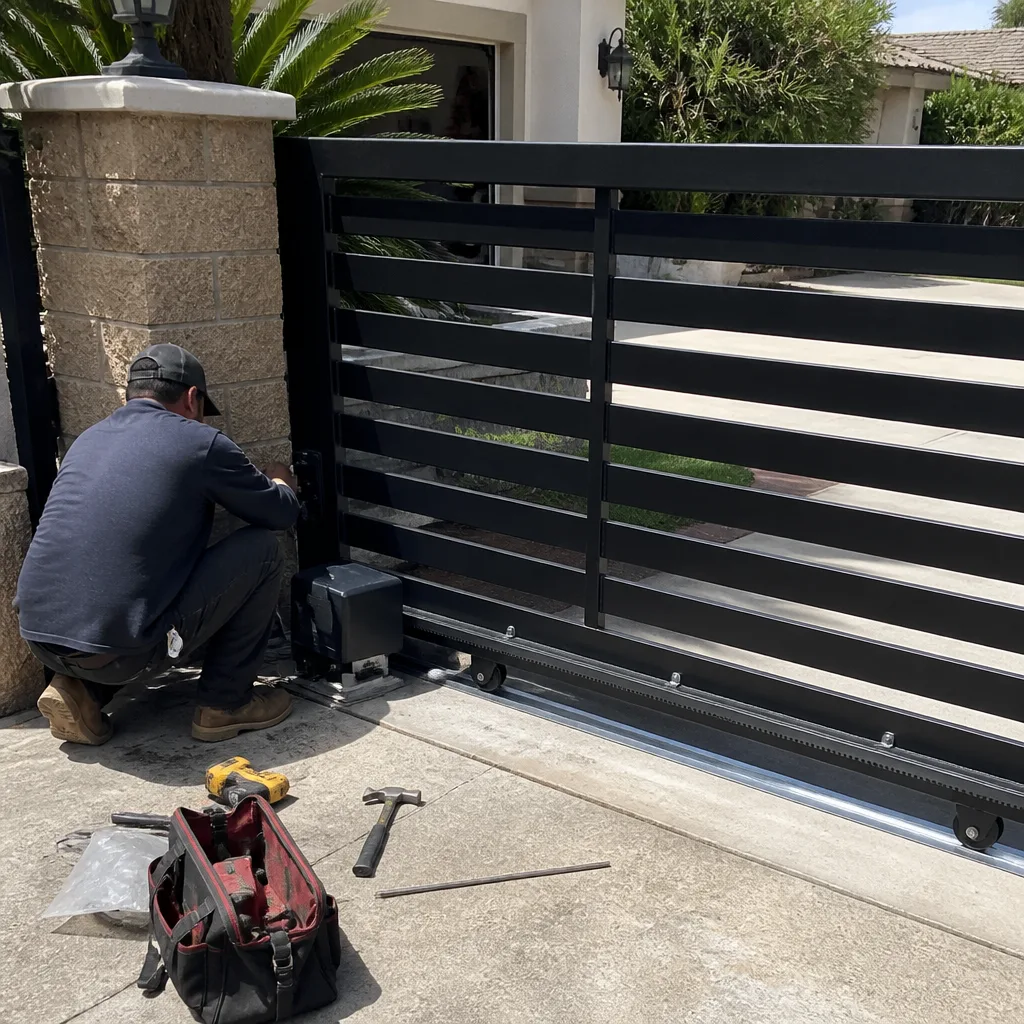 After