
Last updated November 2, 2026
 Wrought iron
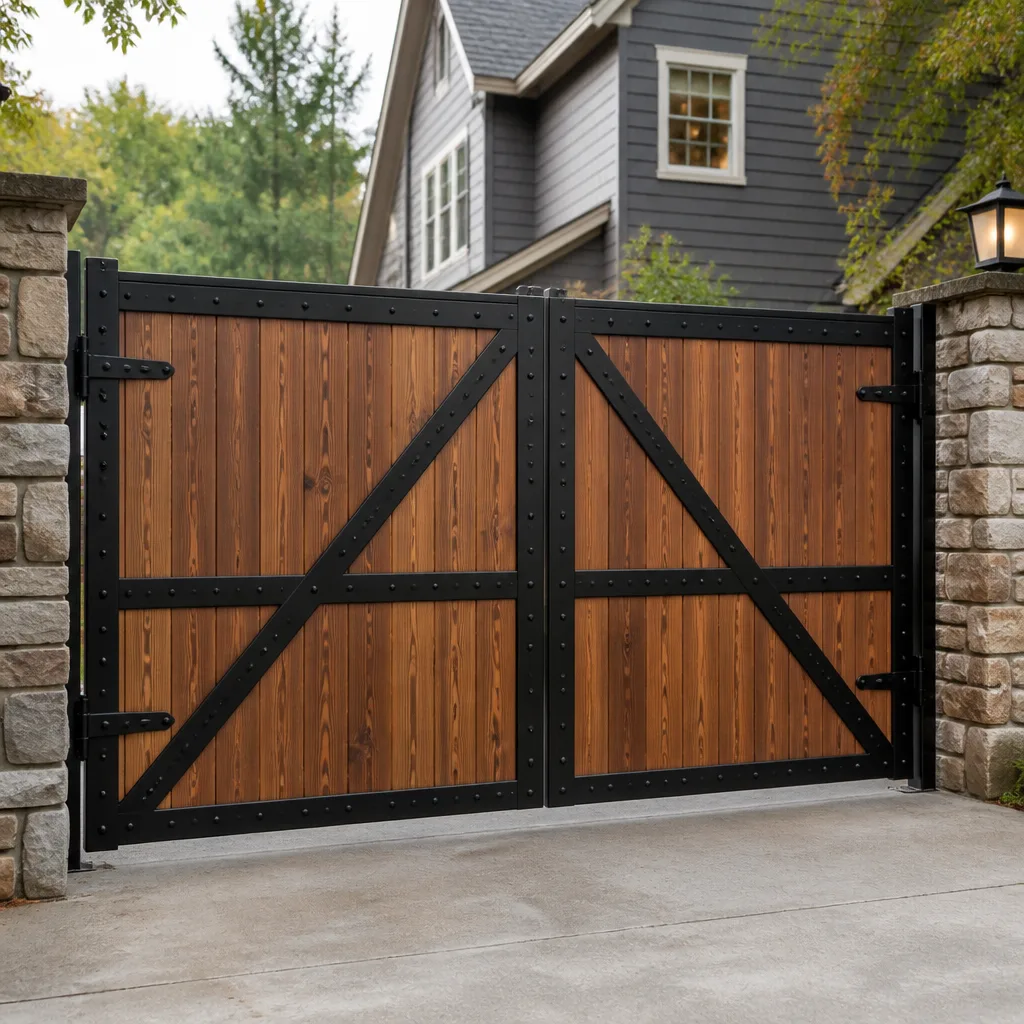 Wood & steel frame
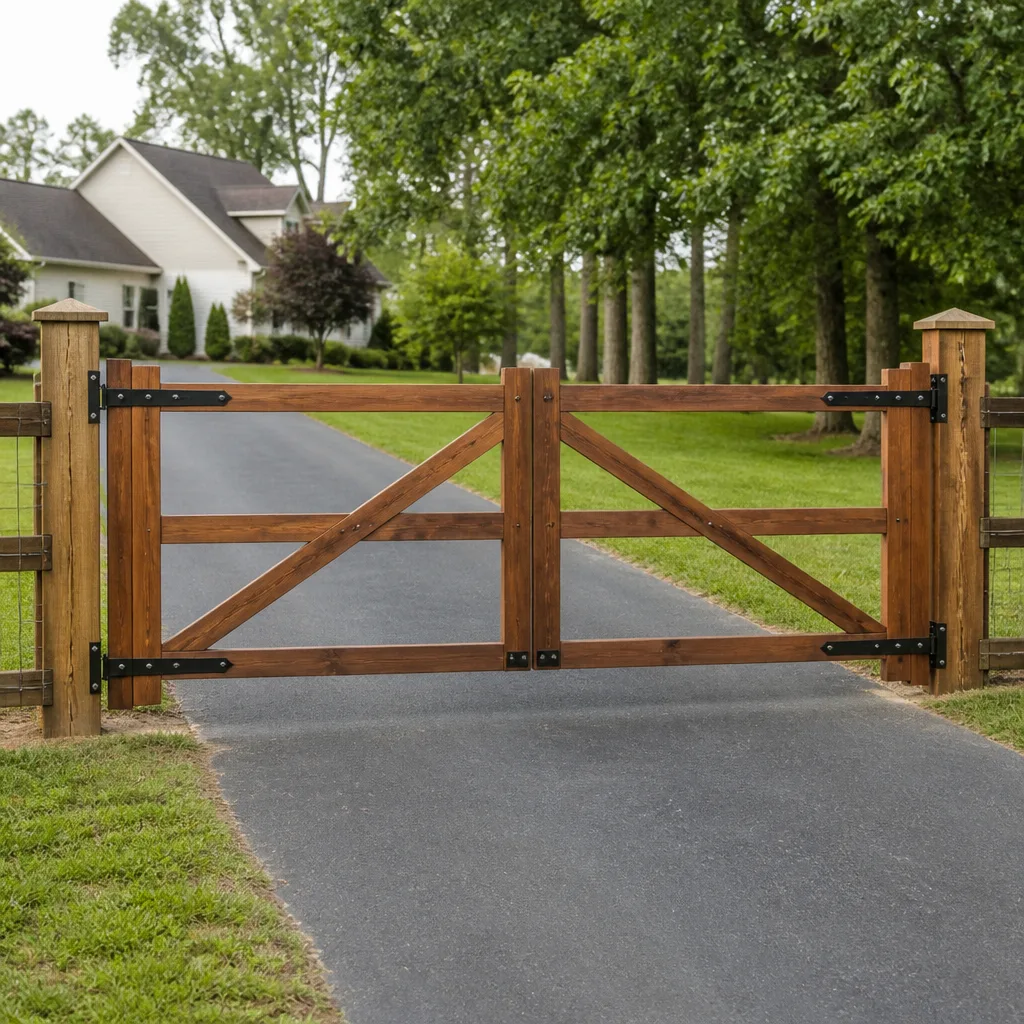 Farm & ranch
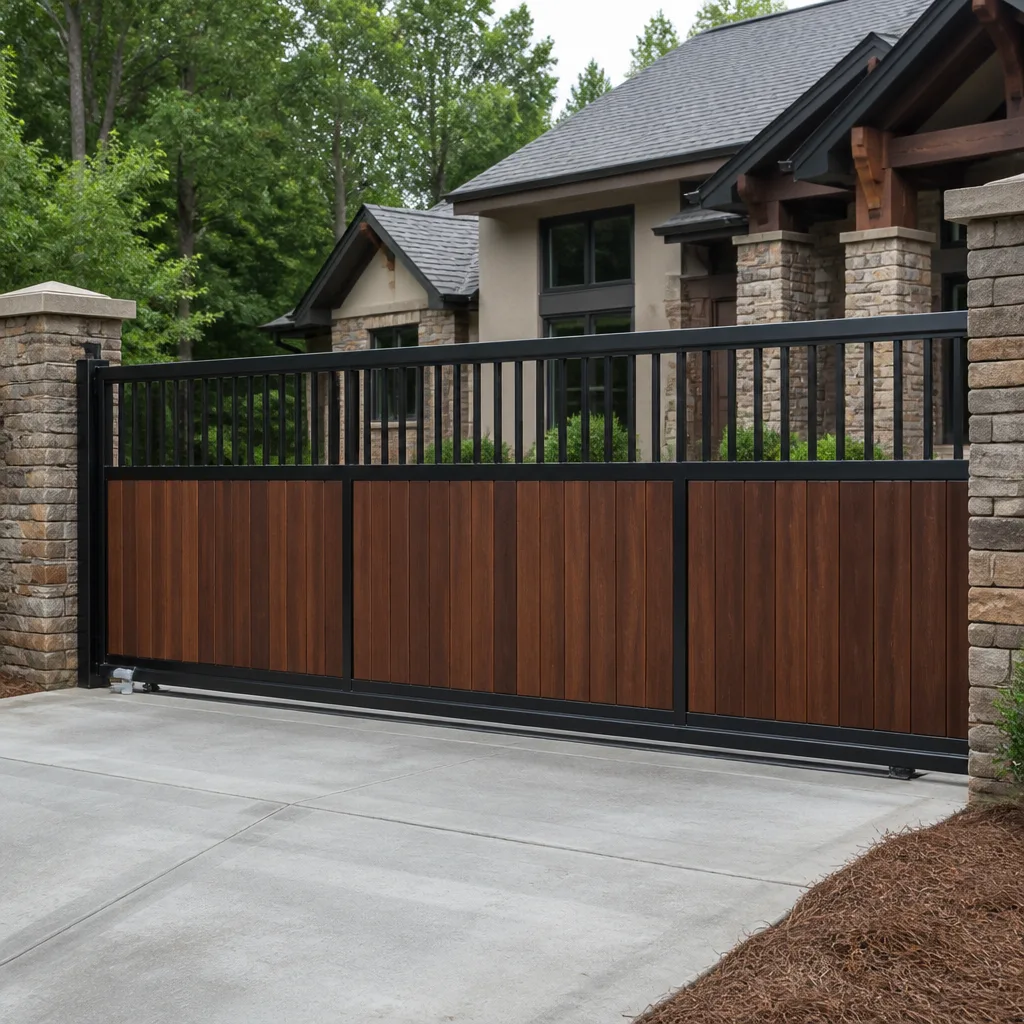 Sliding driveway gates
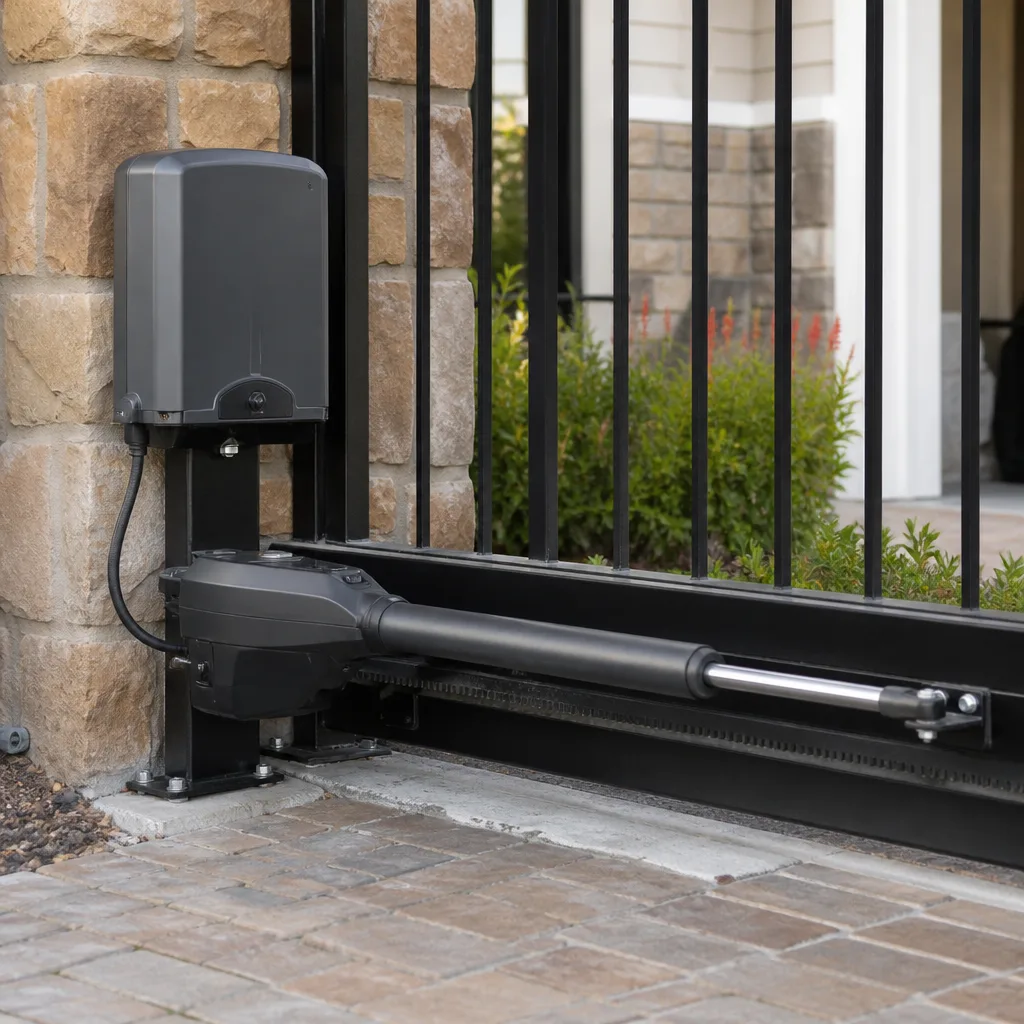 LiftMaster operators
Free on-site gate assessment - hinges, posts, and your LiftMaster or Nice gate operator checked before anything is quoted
The assessment is free and the quote is the invoice.
Get your free estimateGate Repair Maintenance Checklist for Whittier Homeowners
Roughly 40% of the “my gate stopped mid-cycle” calls we get every summer in Whittier trace back to one skipped step: lubricating the limit switch housing, not just the chain. Homeowners wipe down the rail, spray the hinges, and call it done. Then August hits, the housing binds, and the gate freezes halfway open. This guide is a technician-grade maintenance protocol built around the failure patterns we actually see in Whittier zip codes. You’ll learn what to check monthly, quarterly, and annually, why Santa Ana winds demand a specific post-event routine, which lubricants go where, and which findings mean stop and call a professional. We specialize exclusively in gate repair, so this is the same logic we use when diagnosing your LiftMaster or DoorKing system in the field.
Styles & brands we work with
- Wrought iron
- Wood & steel frame
- Farm & ranch
- Sliding driveway gates
- LiftMaster operators
Quick Answer
A proper gate maintenance checklist for Whittier homeowners runs on three cycles: monthly visual and operational checks, quarterly lubrication and hardware tightening, and an annual deep inspection of hinges, operators, safety devices, and power supply. The most overlooked tasks are lubricating the limit switch housing with dry PTFE lubricant and re-testing photo eyes and safety loops after every Santa Ana wind event. Red flags like grinding gears, sparking control boards, or a gate that reverses without obstruction mean call a specialist, not push through.
Table of Contents
- Monthly Gate Maintenance Checklist: The 10-Minute Walk-Around
- Quarterly Gate Maintenance: Lubrication, Torque, and Hardware
- Annual Deep Inspection: What a Technician Checks
- Santa Ana Wind Protocol: Post-Event Swing Gate Inspection
- Testing Safety Loops and Photo Eyes Without Specialized Tools
- Lubrication Type Matters: Dry, Grease, and Silicone
- Red-Flag Findings: When to Stop and Call a Tech
- Common Mistakes to Avoid
- When to Call a Professional
- Frequently Asked Questions
- The Bottom Line
Monthly Gate Maintenance Checklist: The 10-Minute Walk-Around
This is the routine we tell every Whittier homeowner to run once a month. It takes less time than brewing a pot of coffee, and it catches the cascading failures early. A gate that drags slightly today becomes a burned-out motor in six months. A loose hinge bolt becomes a misaligned leaf that shears a limit switch. Gates fail gradually, then suddenly. Your monthly job is to notice the gradual part.
Walk the full arc of the gate with it open, then closed. Look at the ground. Whittier’s dry summers mean dust and grit accumulate on the track and pivot points faster than you’d expect. That grit is abrasive. Mixed with old grease, it becomes lapping compound that wears hinge pins and roller wheels.
- Operate the gate through three full cycles. Listen for changes in pitch. A motor that sounds strained or a chain that slaps the rail means tension or alignment is drifting.
- Watch the leaf movement. It should move smoothly through the entire arc, no hesitation, no speed changes mid-travel.
- Check the track or rail for debris. Clear leaves, gravel, and dirt. In Whittier, decomposed granite from landscaping is a common track contaminant.
- Inspect the chain or belt for slack. More than an inch of deflection in a chain run means the tensioner needs adjustment.
- Test the auto-reverse function. Place a thick piece of cardboard in the gate’s path and run it closed. It should reverse on contact within two seconds.
- Look for fresh rust or paint bubbling. Whittier’s marine layer in June and July pushes moisture into micro-scratches. Catch rust before it compromises the structure.
- Check the keypad and remote range. If you’re standing closer than normal to trigger the gate, the receiver or battery is degrading.
Keep a simple log on your phone or a notepad in the garage. Note anything that changed. When you call us for Gate Repair in Whittier, those notes help us diagnose faster.
Quarterly Gate Maintenance: Lubrication, Torque, and Hardware
Every three months, the maintenance shifts from observation to intervention. This is where you handle lubrication, hardware torque, and component wear. Most Whittier gates have a mix of steel and aluminum components, and the different materials expand and contract at different rates through our temperature swings. Fasteners work loose. Lubricant breaks down. It’s physics, not neglect.
Start with a clean rag and wipe every moving component you can reach. You’re not polishing. You’re removing the old lubricant film, which has collected dust and grit. Then apply fresh lubricant, matched to the component type. Our gate repair troubleshooting guide covers lubrication types in more detail. For now, the short version: chains and gears get light oil or dry PTFE, hinge pins get white lithium grease, and nothing gets WD-40 as a primary lubricant.
- Torque every accessible bolt. Hinge bolts on swing gates, track brackets on slide gates, and operator mounting bolts. Use a socket wrench, not an adjustable wrench. You need actual torque, not guesswork.
- Lubricate the hinge pins. Swing gate hinges take the entire weight of the leaf. Dry pins wear into ovals and the gate sags. White lithium grease in a spray can is the easiest application.
- Lubricate the chain or belt drive. A dry chain wears sprockets unevenly. Apply a light machine oil or chain-specific spray, then wipe off the excess. Excess attracts grit.
- Lubricate the limit switch housing. This is the step everyone skips. The housing rides the rail and actuates the limit switch. Dry housing equals a gate that stops mid-cycle. Use dry PTFE lubricant. Never grease here.
- Check the gate wheels or rollers. Worn wheels cause drag and wear the track. If a roller has play or doesn’t spin freely, replace it before it damages the track.
- Inspect weather stripping and dust seals. On the control box and keypad. In Whittier, sun kills rubber seals faster than rain does.
- Test the manual release mechanism. Disconnect the operator and move the gate by hand. It should move easily. If it doesn’t, something is binding and the motor is working harder than it should.
If any of these steps reveals something you don’t have the tool or confidence to fix, that’s the moment to call us. Your Mighty Mule or Elite system is designed to be serviceable, but a misdiagnosed torque issue becomes a broken operator faster than you think. Our Electric Gate Repair in Whittier service handles exactly these findings.
Annual Deep Inspection: What a Technician Checks
Once a year, your gate deserves more than a walk-around. This is the inspection that catches the failures you can’t see from the surface. We recommend scheduling this before winter rains arrive in Whittier, which gives you the dry months to address any findings. Some homeowners do this themselves. Many call us because the annual inspection requires tools and access most garages don’t have.
Here’s the technician-grade annual checklist, in order:
- Remove the operator cover. Look for dust, spider webs, and moisture intrusion. Whittier’s dry climate creates fine dust that infiltrates control boards and causes arcing.
- Inspect the control board for swollen capacitors, burn marks, or corroded terminals. Swollen capacitors are the number one cause of intermittent gate failures we see on boards five years and older.
- Test the battery backup if installed. Disconnect AC power and run the gate through two cycles. If the battery dies after one, it’s time for replacement.
- Measure motor amperage draw. A motor pulling higher amps than its rating is working too hard. Usually it’s a mechanical bind, not the motor itself.
- Verify all safety device functions. Photo eyes, safety loops, edge sensors, and auto-reverse. Each one tested independently.
- Check the ground system and wiring connections. Loose connections cause voltage drops that mimic motor failure. Tighten everything.
- Inspect the gate structure itself. Weld joints, frame members, and the post mount. A cracked weld on a swing gate leaf gets worse every cycle.
- Lubricate and adjust the limit switch assembly. Set the limits to factory specifications. Drift here means the gate over-travels and slams the stop or jams the latch.
- Test the access control system. Keypad codes, remotes, intercom, and any vehicle detection. Replace weak batteries and clean contacts.
If you’re comfortable doing this yourself, go through it methodically. If any step raises a question, a specialist call is cheaper than a cascading repair. We regularly help Whittier homeowners who got through six steps and found something on the seventh they didn’t recognize. That’s normal. That’s what a gate-only specialist is for.
Santa Ana Wind Protocol: Post-Event Swing Gate Inspection
Whittier sits in a wind corridor that gets hit by Santa Ana events several times each year. These winds are sustained and gusty, sometimes 40 to 60 mph through the passes. A swing gate is a large sail. Every Santa Ana event loads the hinges, the post, and the operator with forces the system wasn’t designed to hold continuously. The damage isn’t always visible. Here’s the post-event protocol we give homeowners.
- Check the hinge post for movement. Push the gate leaf gently and watch the post. Any visible flex means the post foundation has loosened. In Whittier’s clay-heavy soil, this is the most common wind-related failure, and it gets worse with every event.
- Inspect the hinge bolts for elongation. Wind loads stretch bolt holes over time. If you can see daylight around a bolt shank or the bolt wiggles, the hinge needs replacement.
- Re-test the position limits. Wind can push a gate past its normal limit, throwing off the limit switch calibration. Run the gate and confirm it stops where it should, not an inch past.
- Check for leaf distortion. A bowed gate leaf puts uneven load on the hinges. Sight down the top rail. If it’s not straight, the leaf needs straightening or reinforcement before the next wind event.
- Inspect the operator arm or ram. Bent arms are common after high wind. A bent arm can’t transfer force evenly and eventually breaks the mounting bracket.
- Clear debris from the track or path. Palm fronds and tree branches are frequent post-Santa Ana debris. Clear them before operating the gate.
Run this protocol within 24 hours after every significant Santa Ana event. The earlier you catch hinge post movement, the cheaper the fix. A post that’s allowed to work loose eventually cracks its concrete footing, and that’s a much bigger job. We’ve seen homeowners in the hills above Whittier catch this early and spend a few hundred dollars, and we’ve seen others wait until the gate falls off its post. The second scenario costs thousands and usually involves a full Gate Installation in Whittier.
Testing Safety Loops and Photo Eyes Without Specialized Tools
Safety devices fail silently. A gate that doesn’t reverse on a vehicle or a child is dangerous, and you won’t know it until the moment the system is needed. Testing these devices is not complicated, and you don’t need a technician’s toolkit. What you need is a consistent method and a little patience. Here’s how we test them, step by step.
Testing Photo Eyes
Photo eyes are the small sensor pairs mounted near the gate opening, one transmitting an infrared beam and the other receiving it. When the beam is interrupted, the gate should stop and reverse. To test:
- Start the gate closing. Stand clear of the path.
- Block the beam with a solid object. A piece of cardboard works, or a broom handle held across the sensor line.
- Observe the gate’s response. It should stop immediately and reverse to the open position. If it continues closing, the photo eye is misaligned or failed.
- Repeat from both sides. Test the beam at knee height and chest height. Some misaligned eyes pass at one height and fail at another.
- Clean the lens. Whittier’s dust coats photo eye lenses quickly. A dry microfiber cloth is enough. Don’t use glass cleaner with ammonia.
Testing Safety Loops
Safety loops are vehicle detection loops, either above ground on flexible posts or inductive loops cut into the driveway. They hold the gate open or reverse it when a vehicle is present. To test an above-ground loop:
- Drive your vehicle into the loop detection zone. The zone is marked by the loop arm’s position.
- Watch the operator’s indicator light. Most operators have a loop detector light that illuminates when a vehicle is detected.
- Close the gate while the vehicle is on the loop. The gate should refuse to close or should reverse if already closing.
- Remove the vehicle and test again. A gate that behaves erratically in both directions usually means the loop detector sensitivity is off, not the loop itself.
For in-ground inductive loops, the test is simpler: park a vehicle on each loop zone and confirm the gate won’t close on it. In-ground loops rarely fail outright, but connections in the control box corrode. If your loop tests fine but the detector light doesn’t activate, it’s usually a wiring issue in the control board.
If any safety device fails these tests, treat it as urgent. A gate without functioning safety devices is a liability, and we’d rather see Whittier homeowners call us at Capitol Gate Repair home immediately than operate the gate while waiting. Safety testing is also a standard part of every Electric Gate Repair in Whittier visit we make.
Lubrication Type Matters: Dry, Grease, and Silicone
Here’s the mistake we see most often: homeowners buy one can of spray lubricant and use it on everything. The hinges, the chain, the limit switch, the keypad gasket. One can. That’s like using motor oil on your bicycle chain and your door hinges and your kitchen drawer slides. It works for a while, then it doesn’t. And in some cases, the wrong lubricant actively accelerates wear.
Every gate component has a specific lubrication requirement based on how it moves, what loads it carries, and what environment it sits in. In Whittier’s dry climate, the priority is clean and dry. Dust is the enemy. Grease that’s too heavy captures dust and turns into grinding paste. Lubricant that’s too light evaporates or runs off.
| Component | Lubricant Type | Why It Matters |
|---|---|---|
| Chain drive | Dry PTFE spray or light machine oil | Keeps links flexible without attracting grit. Heavy grease on a chain is a dust magnet. |
| Hinge pins | White lithium grease | High load, slow movement. Needs a grease that stays put under weight. |
| Limit switch housing | Dry PTFE spray only | Grease here collects dust and causes binding, which is exactly the mid-cycle failure we see in Whittier summers. |
| Roller wheels | Light machine oil | Wheels spin continuously. Oil penetrates the bearing without packing in dirt. |
| Keypad and control box seals | Silicone spray | Keeps rubber gaskets supple. Petroleum-based sprays degrade rubber over time. |
| Operator gears | Gear-specific grease (moly or lithium complex) | High-pressure metal-to-metal contact. The wrong grease squeezes out and leaves metal on metal. |
The wrong lubricant on the limit switch housing is a specific problem we see on LiftMaster and DoorKing systems in Whittier. Homeowners grease the rail because it looks like it needs grease, then wonder why the gate stops mid-cycle. The grease holds dust from our dry air, the housing binds, and the limit switch can’t complete its travel. Clean the rail with a dry rag, then apply dry PTFE. That single change fixes a surprising number of intermittent gate issues.
For Elite and Mighty Mule swing gate systems, hinge pins are the lubrication priority. These manufacturers build their hinges for specific clearance tolerances, and when a pin runs dry, it wears into an oval. The gate sags, the latch no longer lines up, and the operator fights the misalignment. White lithium grease, applied every quarter, keeps the pin round and the gate level.
Red-Flag Findings: When to Stop and Call a Tech
Some maintenance findings are informational: note them, monitor, adjust. Others are hard stops. These are the findings that mean the gate is no longer safe to operate, or that continuing to operate it will turn a minor repair into a major replacement. Your gate has no check engine light, so the red flags below are your diagnostic dashboard.
Hard Stop Red Flags
- Grinding or howling from the operator. That’s metal-on-metal inside the gearbox or motor. Every cycle after the noise starts is doing exponential damage.
- Sparking or burning smell from the control board. This is an electrical fault, not a nuisance. It can progress to a fire. Disconnect power and call us.
- Gate reverses without obstruction. A phantom reverse means a safety device is false-triggering or the control board is misreading signals. The gate is unpredictable, and unpredictable gates injure people.
- Visible post movement. If the hinge post moves when the gate operates, the foundation is failing. Every cycle widens the crack. Stop using the gate until the post is reset.
- Gate slams into the stop or the latch. The limit switch has failed or drifted. That impact force transfers to hinges, posts, and the operator mounting. Damage compounds.
Soft Stop Red Flags
- Intermittent operation failure. Gate works in the morning, not in the afternoon. This is usually a heat or connection issue. Monitor one day, call us if it repeats.
- Reduced remote range. You’re now standing 10 feet closer to the gate than last month. Receiver degradation or antenna damage, and it gets worse.
- Visible rust on the gate frame. Not cosmetic. In Whittier’s dry climate, rust means a moisture source is present and active. Address it before it compromises structure.
- Gate slows down noticeably in one direction. Could be a partial bind or an operator on its way out. Document when it happens and call us with that data.
None of these red flags fix themselves. None of them improve with more lubricant or a reset. And several of them involve safety, which means the gate should stay off until a technician has assessed it.
Common Mistakes to Avoid
- Using WD-40 as a general lubricant. WD-40 is a water displacer, not a lasting lubricant. It cleans and penetrates, then evaporates and leaves the component drier than before. Whittier homeowners who use it on chains and hinges end up re-lubricating monthly and still seeing wear.
- Greasing the limit switch rail. We covered this above, but it bears repeating: this is the single most common cause of mid-cycle gate stops we see in Whittier. Grease on the limit switch housing is worse than no lubricant at all.
- Skipping the photo eye test because “it worked last month.” Safety devices fail without warning. The only way to know is to test. A gate that passes the eye test every month is safe. A gate that hasn’t been tested in a year is unknown.
- Ignoring post-event inspections after Santa Anas. Wind damage is cumulative. Each event without inspection lets hinge wear and post movement progress. The fix only gets more expensive.
- Using the wrong lubricant thickness on the chain. Heavy grease packs between chain links and sprocket teeth. As dust accumulates, the chain binds and the motor works harder. Motor replacement costs more than a lifetime supply of the correct dry PTFE.
- Running the gate with a known safety device failure. “I’ll get it fixed next month” is how accidents happen. A gate that doesn’t reverse on obstruction is a gate that can hurt someone. Shut it off and call us.
- Tightening everything without knowing torque specs. Overtightening a hinge bolt deforms the bushing or strips the thread. Snug is right. Cranked down is not. If you don’t know the spec, use consistent, moderate torque.
When to Call a Professional
Call a gate specialist when you hit a red flag, when a safety device fails a test, when the post moves, when the operator makes noise it didn’t make last month, or when you’ve done the quarterly checklist and something just doesn’t feel right. Gates are simple until they aren’t, and the line between adjustment and repair is where we make our living. Capitol Gate Repair offers free estimates in Whittier. Call (866) 321-3968 and we’ll come out, run the diagnostic, and give you a written price before any work starts. Our brand familiarity spans LiftMaster, DoorKing, Elite, Mighty Mule, FAAC, BFT, Linear, Viking, and Ghost Controls, so your system is one we’ve likely serviced before.
Frequently Asked Questions
Every three months is the correct cadence for Whittier’s dry, dusty climate. Use dry PTFE on chains and limit switch housings, white lithium grease on hinge pins, and silicone spray on rubber seals. If you skip a quarter, you’re still within tolerance. If you skip two, the wear begins to compound.
Mid-cycle stops caused by a dry or greased limit switch housing are the most common problem we see in Whittier. The housing binds on the rail, the limit switch can’t complete its travel, and the gate freezes halfway. Cleaning and lubricating the housing with dry PTFE fixes a large percentage of these calls.
Santa Ana winds load your swing gate with sustained lateral force it wasn’t designed to hold continuously. The primary damage points are hinge post movement, hinge bolt elongation, and leaf distortion. Run the post-event inspection protocol within 24 hours after every significant wind event.
Yes. Block the photo eye beam with a solid object while the gate closes and confirm it stops and reverses. Drive a vehicle onto each safety loop zone and confirm the gate won’t close on it. Test at multiple heights and from both sides. If any test fails, the gate is unsafe to operate until repaired.
Gate repair costs in Whittier depend on the component. Minor fixes like limit switch adjustments or lubrication typically run under $200. Control board replacements, motor rebuilds, or post resets run higher, often in the multiple hundreds to low thousands. Call (866) 321-3968 for a free estimate, and we’ll quote the exact number before any work starts.
We service LiftMaster, FAAC, BFT, Linear, Viking, Ghost Controls, DoorKing, Elite, and Mighty Mule. If your system is one of these brands, we arrive already familiar with its control board layout, motor specs, and common failure modes. That familiarity usually translates to a faster diagnosis and a less expensive repair.
If you have a swing gate, yes, especially during the strongest gusts. Lock the gate in the open or closed position using the manual release, and run the post-event inspection before returning it to automatic operation. A gate that can’t move can’t be damaged by wind loading against the operator.
The Bottom Line
A gate maintenance checklist is only as good as the sequence it follows. Monthly observation catches changes early. Quarterly lubrication and torque prevent the wear that turns small issues into big repairs. Annual deep inspection reveals the hidden failures. Santa Ana post-event protocols address Whittier’s specific wind exposure. And the red flags tell you when to stop and call a specialist. Run this protocol consistently and your gate will outlast most of the equipment in your home; see our more guides & resources for year-round maintenance help. Skip the limit switch lubrication and you’ll join the 40% of mid-cycle stop calls we get every summer. The choice is a ten-minute walk-around or a service call. Both work. One is cheaper.
Written by the team at Capitol Gate Repair, serving Whittier since 2013.
See the difference
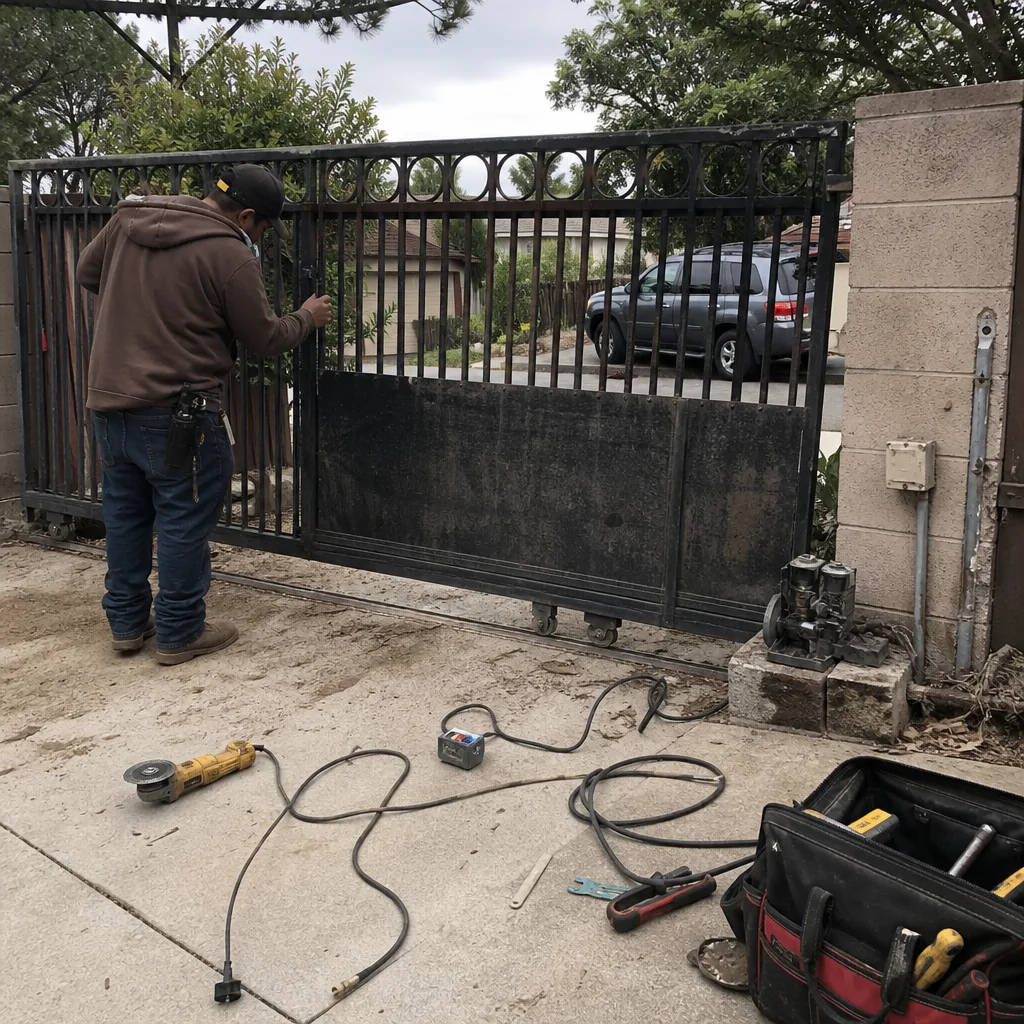 Before
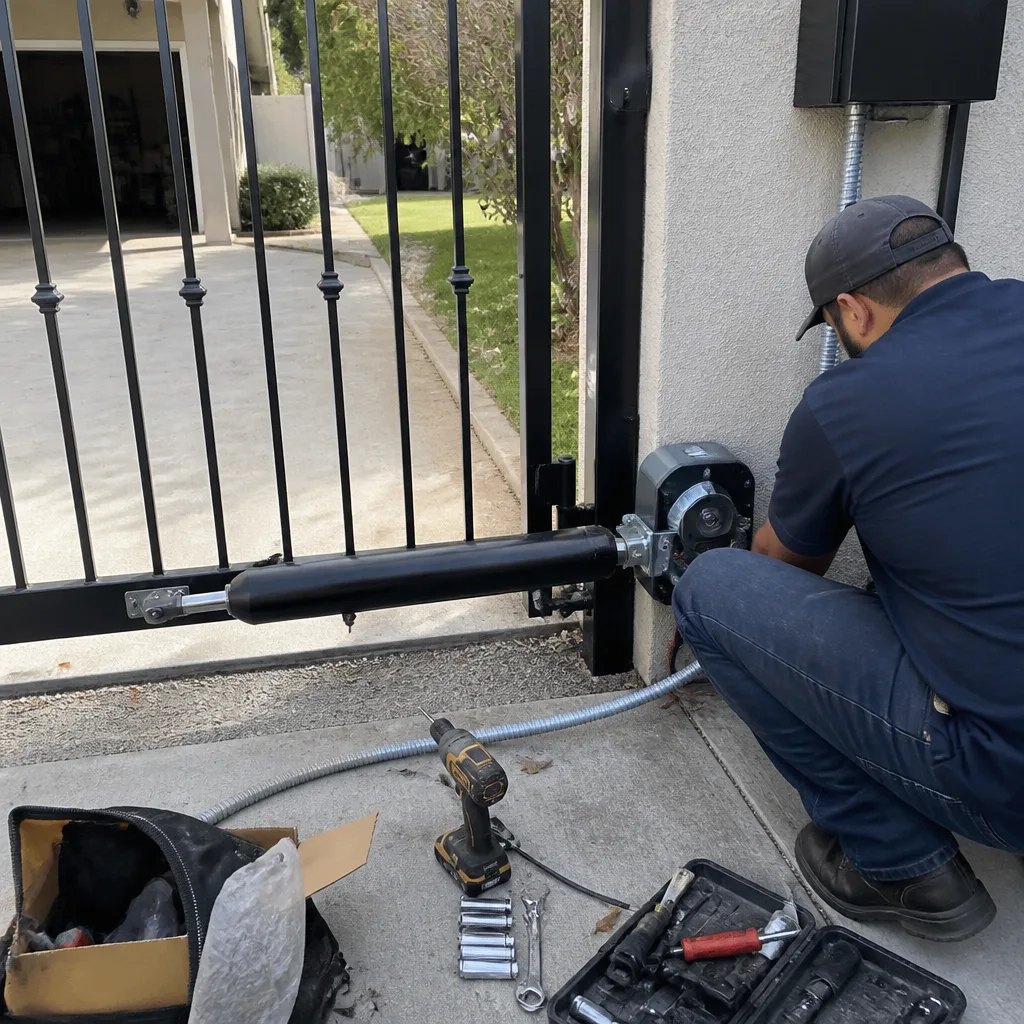 After
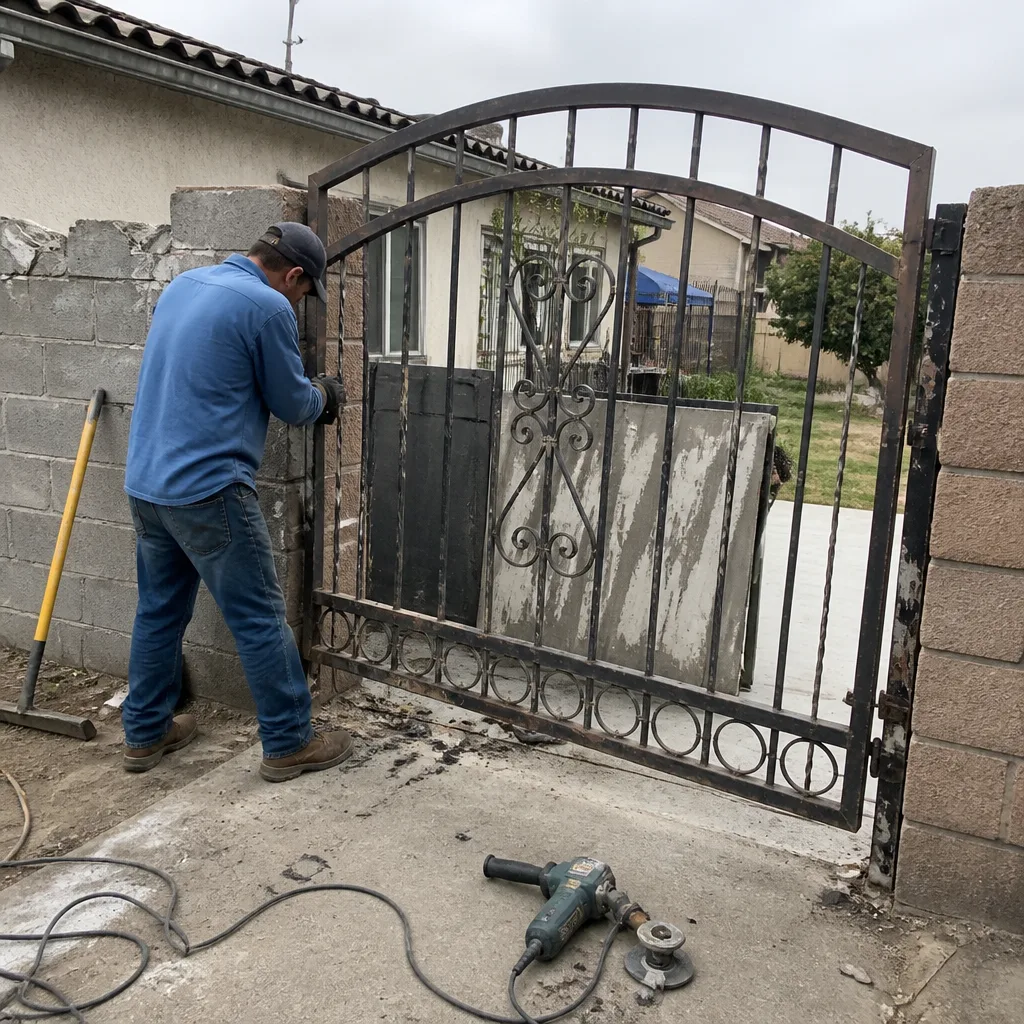 Before
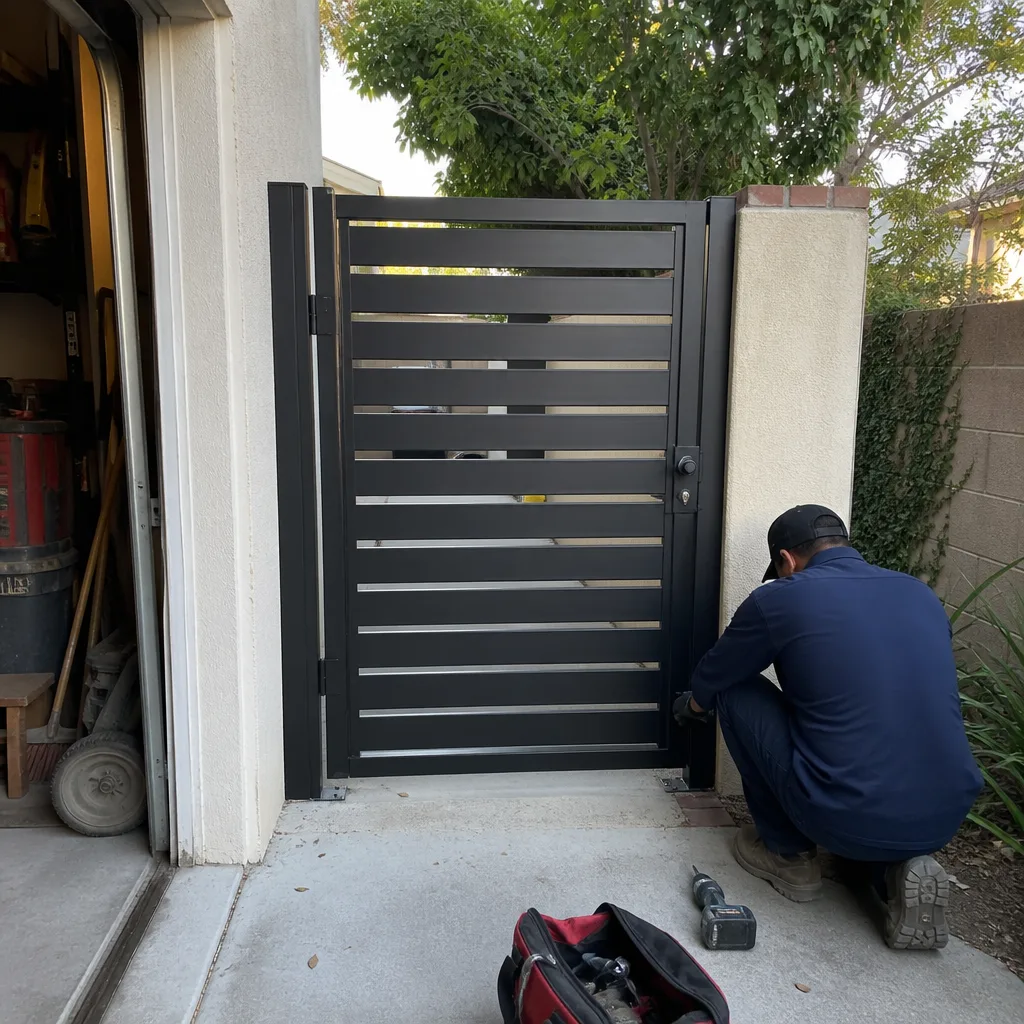 After
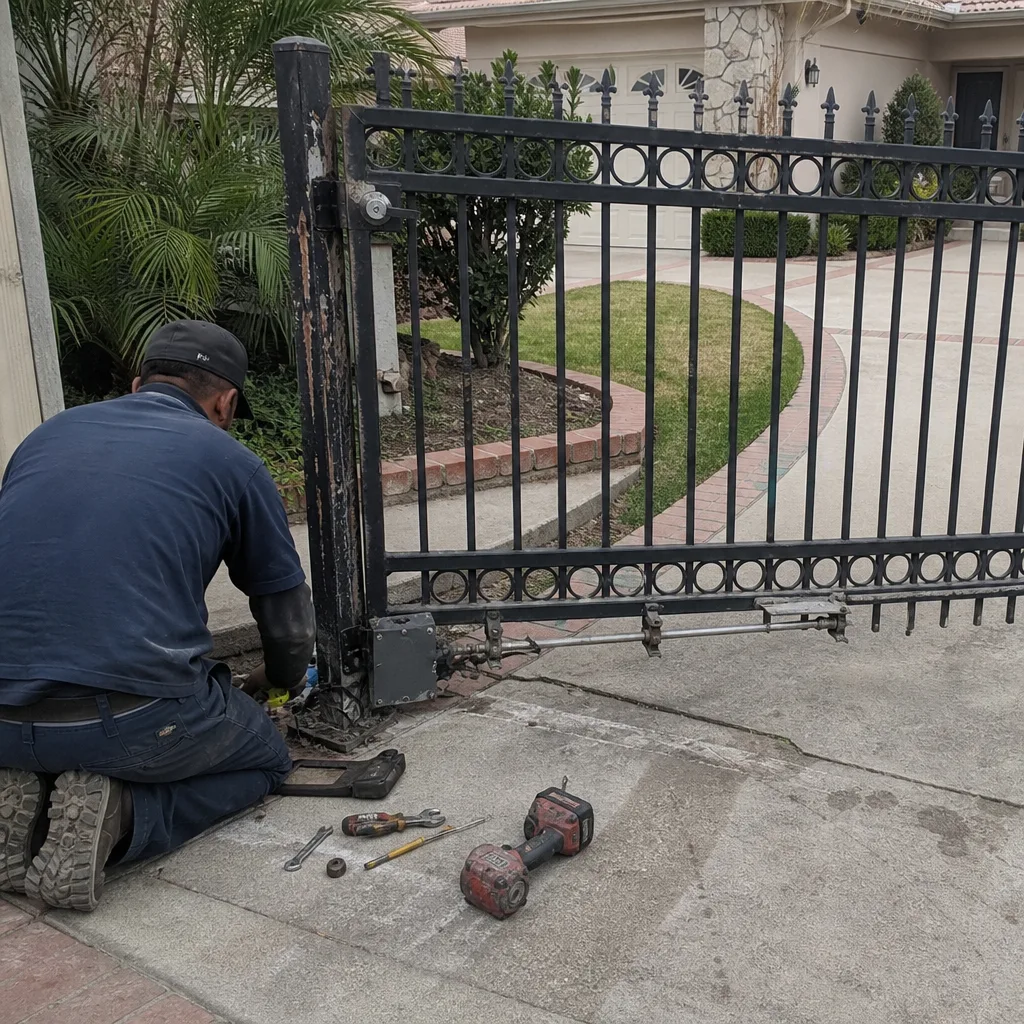 Before
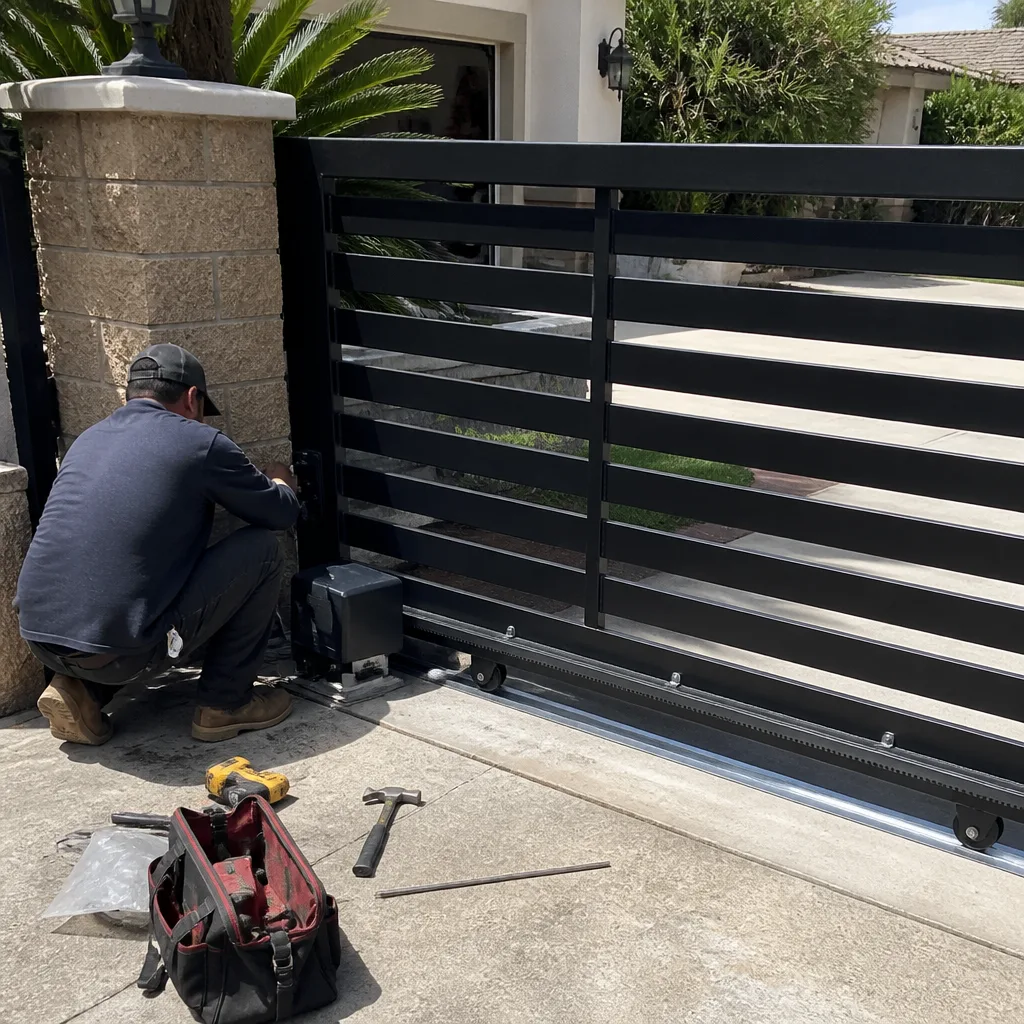 After